



The 8 numbers that explain what’s really happening with AI adoption

The 8 numbers that explain what’s really happening with AI adoption

There is no shortage of evidence that companies are adopting Artificial Intelligence (AI). Every quarter brings another survey showing that more organizations are experimenting with generative AI, putting models into production, giving employees access to copilots, or increasing their spending on the technology. At the same time, there is a growing body of evidence suggesting that the economic impact of all this activity remains much less significant than the level of investment would imply. Both observations can be true, and when the numbers are put side by side, the apparent contradiction becomes easier to understand. Therefore, a more useful way to think about the current state of enterprise AI is not to ask whether companies are adopting it. They clearly are. The more important question is whether companies are changing their operations quickly enough to turn widespread access to AI into any meaningful business outcomes.

Learn More
These aren’t the droids you are looking for…or are they?

These aren’t the droids you are looking for…or are they?

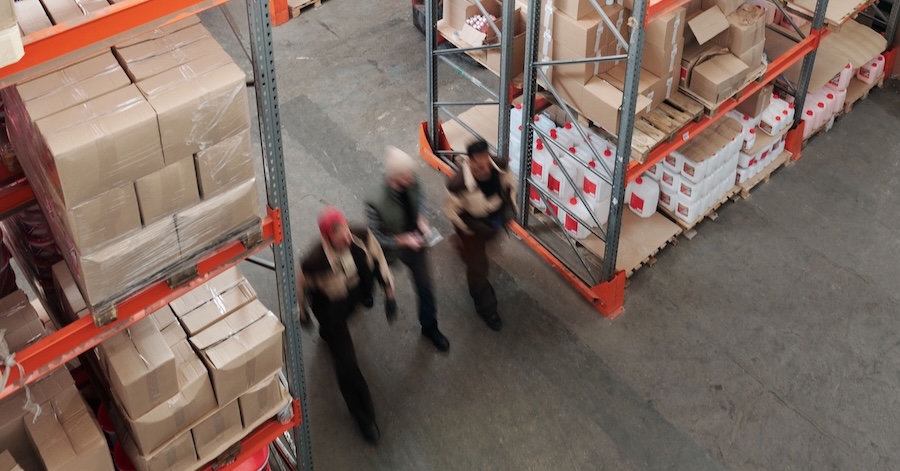
There was a time when you wouldn’t think to look to your warehouse for innovation. Dusty shelves, stacks of cases, in what appears to be endless aisles of pallets. You brought inventory in one door, stacked it high, and when needed, would move it to a location where it would be “consumed.” However, the role of the warehouse has evolved, in large part because the role of supply chain has been revolutionized from a back-office function to a driver of revenue and innovation. Within that paradigm shift, the warehouse itself is taking on new responsibilities: last-mile kitting, additive manufacturing, returns ingestion, refurbishing, and direct-to-consumer fulfillment, to name a few. Add to this mix the constant challenge to hire, train, and retain quality labor, and you have a perfect storm to drive innovation. Necessity is the mother of innovation (taking some liberties with this quote).
Learn More
9 AI-Native Supply Chain Planning trends reshaping the industry

9 AI-Native Supply Chain Planning trends reshaping the industry

AI-native supply chain planning is becoming a more visible part of the technology landscape. Over the past year, Alex Pradhan has spoken with a growing number of newer supply chain planning vendors and identified a number of characteristics and trends that distinguish AI-native platforms from traditional systems being retrofitted with AI.

Learn More
Reset
Article Warehouse Robotics: 4 Things to Consider Before Investing

These aren’t the droids you are looking for…or are they?

By: Guy Courtin | 4 min read

There was a time when you wouldn’t think to look to your warehouse for innovation. Dusty shelves, stacks of cases, in what appears to be endless aisles of pallets. You brought inventory in one door, stacked it high, and when needed, would move it to a location where it would be “consumed.” However, the role of the warehouse has evolved, in large part because the role of supply chain has been revolutionized from a back-office function to a driver of revenue and innovation. Within that paradigm shift, the warehouse itself is taking on new responsibilities: last-mile kitting, additive manufacturing, returns ingestion, refurbishing, and direct-to-consumer fulfillment, to name a few. Add to this mix the constant challenge to hire, train, and retain quality labor, and you have a perfect storm to drive innovation. Necessity is the mother of innovation (taking some liberties with this quote).

Read More
Article Why The Fascination With Humanoid Robots Misses The Mark

Why the fascination with humanoid robots misses the mark

By: Guy Courtin

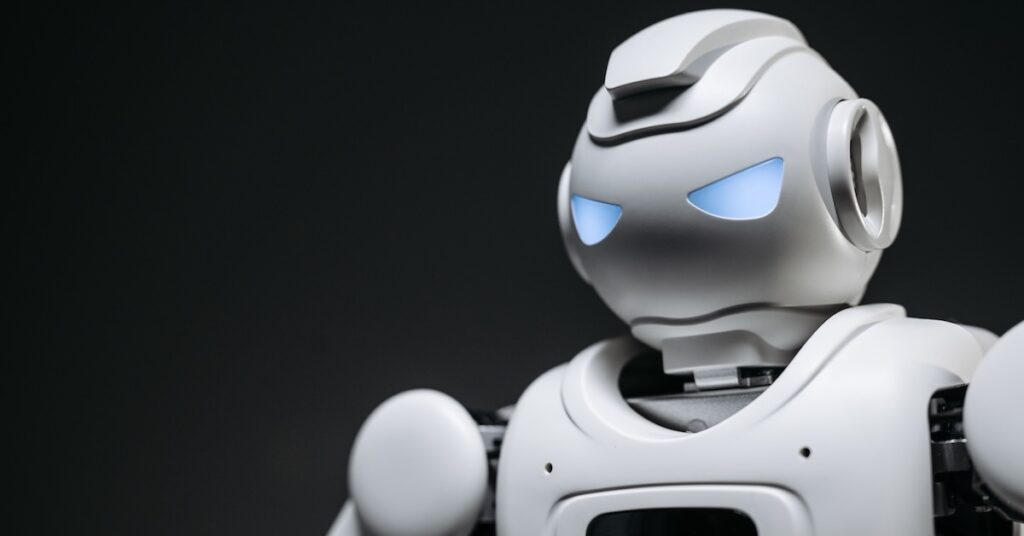
Robots have played a starring role in science fiction since Karel Čapek introduced the term in his 1921 play Rossum's Universal Robots. We've been exposed to all types of robots, from C-3PO in the Star Wars franchise to Transformers and the Model 101 from the Terminator series that integrated these machines into mainstream culture and our greatest imagination. What these robots all have in common is that they resemble us. They have two legs, two arms, a torso and a head (and in the case of the Model 101, human skin). Technically, a robot is any programmable machine designed to perform tasks. A humanoid is simply a robot built in our image that we've been led to believe needs to look like you and me. That assumption is now being reinforced. The rise of the humanoid robots is perpetuated by loud predictions and the visibility of prototypes. Boston Dynamics has pushed the conversation into the forefront after a 60 Minutes appearance that featured Atlas learning how to triage car parts as human labor grudgingly looked on.

Read More
Article Are the robots coming for warehouse jobs, or are they here to fill a void?

Are the robots coming for warehouse jobs, or are they here to fill a void?

By: Guy Courtin

Amazon announced a controversial decision to use robotics in place of hiring an additional 160,000 workers by 2027. Unsurprisingly, this has rekindled the timeless debate over technology and its role in the workplace, and it has raised more questions than answers about what the future of work holds.

Read More